(770) 738-7513
 (770) 738-7513
 Schedule Now
Published on November 10, 2025 by: alhhvac

Learn How HVAC Systems Affect Allergies
Allergies are a part of the changing seasons each year. While most homeowners recognize common allergens like pollen and dust, many don’t realize how their HVAC systems can be a big spreader of these throughout the home. If your system isn’t clean or working properly, those particles can keep circulating and make allergy symptoms harder to get rid of.
Atlanta’s HVAC professionals at ALH explain how heating and cooling systems affect indoor allergies. We will share easy and simple steps homeowners can take to improve their air quality.
How HVAC Systems Affect Allergies
HVAC systems are supposed to keep your home comfortable, but they can also spread allergens throughout your property. Here’s two common ways this happens:
Allergen Circulation
When an HVAC system runs, it pushes air through every part of the house. That air can also carry dust, pollen, pet dander, and biological growth spores. If the system isn’t maintained, these particles keep moving from room to room, aggravating allergy symptoms no matter where you are in your property.
Poor Filtration
Filters are the first line of defense against airborne allergens. If they’re not the right size, clogged up, or overdue for replacement, they won’t catch much beyond larger debris. In fact, smaller particles like pollen, smoke, and dander can easily slip through and circulate throughout your property.
The Best HVAC Filters for Allergies
Picking the right filter for your system can make all the difference when it comes to reducing allergens in your home. That being said, not all filters are built the same. Here are some of the best HVAC filters for allergies.
High-MERV Filters
Filters rated MERV 11 through 13 are a solid upgrade from standard filters. They trap finer particles like dust mites, pollen, and biological growth spores while still allowing sufficient airflow. For many homeowners, these are a practical middle ground between basic filters and full HEPA systems.
HEPA Filters
True HEPA filters can capture up to 99.97% of particles down to 0.3 microns. Installing a HEPA-compatible filter or system component gives you one of the strongest defenses against airborne allergens.
Electrostatic Filters
These filters use static charge to attract particles. Because they can often be washed and reused, they offer a cost-effective long-term solution. They’re less efficient than HEPA, but better than basic fiberglass filters for many allergy sufferers.
Activated Carbon Filters
Activated carbon filters excel at removing odors, gases, and volatile organic compounds (VOCs) in addition to allergy particles. While they don’t always handle fine dust or pollen alone, combining them with other filter technologies can boost overall air quality, especially in homes sensitive to smells or chemical irritants.
The Best HVAC Systems for Allergy Relief
Beyond filters, the type of HVAC system you choose can make a big difference in controlling allergens. Certain systems are better equipped to manage air circulation, humidity, and purification.
Central HVAC Systems
Modern central air systems can be fitted with high-MERV or HEPA-compatible filters, giving them strong anti-allergen capabilities. Paired with regular maintenance, they’re one of the most reliable options for whole-home allergy control.
Ductless Mini-Split Systems
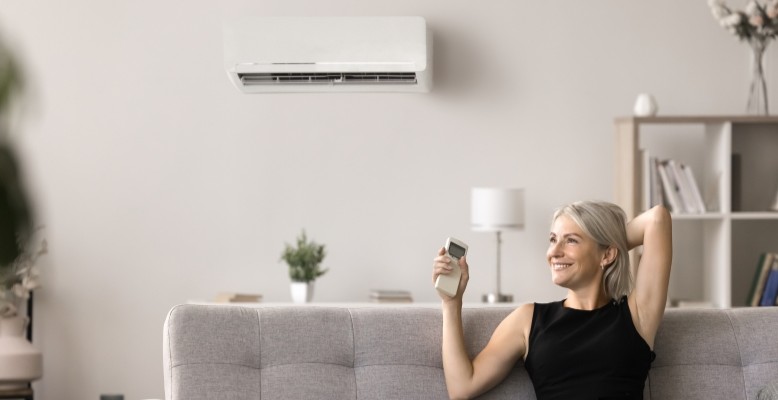
Because ductless systems don’t rely on ductwork, they avoid many of the dust and allergen buildup problems found in traditional central air. Each indoor unit has its own filter, which is easy to clean or replace, helping reduce recirculation of irritants.
Heat Pumps with Air Purification Add-Ons
Heat pumps can regulate temperature while also supporting indoor air quality upgrades like UV lights, dehumidifiers, and advanced filtration units. This makes them versatile for allergy-prone households, especially in regions with seasonal humidity swings.
Whole-Home Air Purifier Integration
Some HVAC systems can be integrated with whole-home air purification units. These systems go beyond basic filtration, using technologies like UV light, electrostatic fields, or activated carbon to tackle allergens, odors, and microorganisms more effectively.
Long-Term Allergy Relief Solutions with HVAC
Short-term fixes and solutions can help relieve allergies, but it can help to take a long-term approach. Here are several long-term relief solutions that we recommend:
Regular Maintenance and Tune-Ups
Dust, pollen, and biological growth can build up in your system over time. Scheduling routine inspections, cleanings, and tune-ups keeps filters effective, airflow strong, and allergens from recirculating through your home.
Humidity Control Systems
Balanced indoor humidity is key for long-term relief. Dehumidifiers help prevent biological growth and dust mite growth, while humidifiers protect against overly dry air that can irritate sinuses and airways. Integrating these with your HVAC system ensures year-round balance.
UV Light Air Purifiers
Installing UV lamps inside your HVAC system helps neutralize biological growth spores, bacteria, and other microorganisms. Over time, this reduces allergen buildup within the unit and ducts, improving overall air quality.
Whole-Home Solutions
Combining upgraded filters, regular air quality testing, humidity control, and purification technology gives you the strongest defense against allergens. These integrated solutions ensure your HVAC system supports not just comfort, but long-term health.
How ALH’s HVAC Solutions Help Allergies
At Andy Lewis / Hobson Heating & Air, we understand that allergy relief goes hand in hand with clean, well-managed indoor air. That’s why we offer whole-home purification systems, humidity control options, and advanced filtration upgrades to help reduce dust, pollen, and other airborne irritants in your home. These solutions work together to keep your air cleaner and your family more comfortable year-round.
Upgrade Your HVAC System with Andy Lewis / Hobson
At Andy Lewis / Hobson Heating & Air, we go beyond regular heating and cooling solutions to help Atlanta homeowners improve indoor air quality. With advanced filtration, humidity control, and whole-home purification systems, our team delivers solutions that reduce allergens and create a cleaner, healthier living environment.
If allergies are affecting your comfort at home, let ALH provide the maintenance, upgrades, or new system installation you need. Don’t wait—contact us today!
Frequently Asked Questions (FAQs)
What is the best HVAC filter for allergies?
High-efficiency filters like HEPA or MERV 11–13 filters work best for trapping dust, pollen, and other allergens.
Can HVAC systems cause allergies?
Yes, poorly maintained systems can spread dust, biological growth, or pet dander. Regular cleaning and filter changes help prevent this.
Does HVAC maintenance help with allergies?
Yes, routine maintenance keeps filters clean, airflow strong, and allergens from circulating through your home.
What’s the best HVAC system for allergies?
Systems with whole-home air purifiers, humidity control, and high-efficiency filters are the most effective for allergy relief.
How often should I replace my HVAC filter if I have allergies?
Every 1–2 months is recommended for allergy sufferers, depending on your system and home environment.