(770) 738-7513
 (770) 738-7513
 Schedule Now
Published on February 19, 2026 by: alhhvac

Keep Your Atlanta Home Comfortable This Winter
Staying comfortable during Atlanta’s winter months isn’t just about staying warm. While HVAC systems provide reliable heat during cold weather, they can also contribute to indoor air quality issues if they aren’t properly maintained.
During winter, homes are sealed tightly to keep heat in, which can trap allergens, dust, and dry air inside. Poor indoor air quality (IAQ) in winter can lead to discomfort, allergy symptoms, higher energy bills, and expensive repairs.
In this article, Atlanta’s HVAC professionals at Andy Lewis / Hobson Heating & Air explain how winter can worsen indoor air quality and share five practical ways to keep your home’s air cleaner and healthier. We’ll also explain how ALH can help maximize comfort through our comprehensive HVAC services.
How Winter Can Worsen Indoor Air Quality
Indoor air quality in winter tends to decline due to poor ventilation and increased HVAC usage. Below are a few other ways colder temperatures affect your home’s air.
- Increased Allergens: When windows and doors stay closed for extended periods, allergens such as dust, pet dander, and mold spores can build up indoors. These particles circulate through your HVAC system and can aggravate allergies and respiratory conditions.
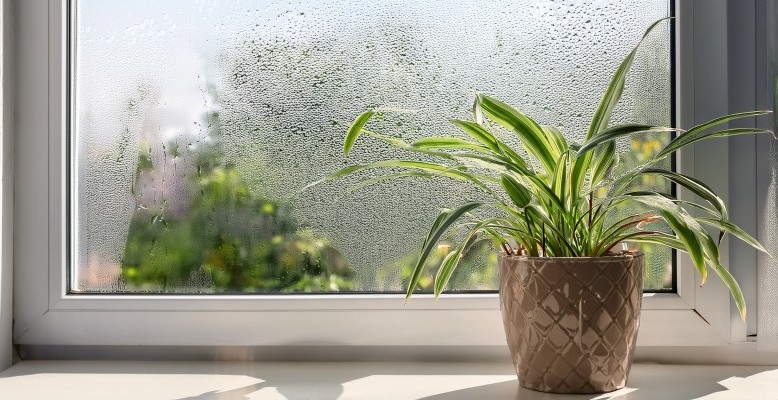
- Dry Air: Cold outdoor air holds less moisture than normal air. Once an HVAC system takes it in and heats it indoors, indoor humidity levels often plummet. Dry air can cause dry skin, irritated sinuses, sore throats, and coughing. It also allows dust and allergens to remain airborne for longer, worsening winter indoor air quality.
5 Helpful Indoor Air Quality Tips
Keeping your Atlanta home or business comfortable during the winter months doesn’t have to be hard. Here are five straightforward tips we recommend.
Change Air Filters
Your HVAC filter plays a major role in improving indoor air quality in winter. Filters trap dust, pollen, and other airborne particles, but once they become clogged, they restrict airflow and allow contaminants to circulate. Changing your filter every one to three months during the winter helps your system run efficiently while keeping indoor air cleaner.
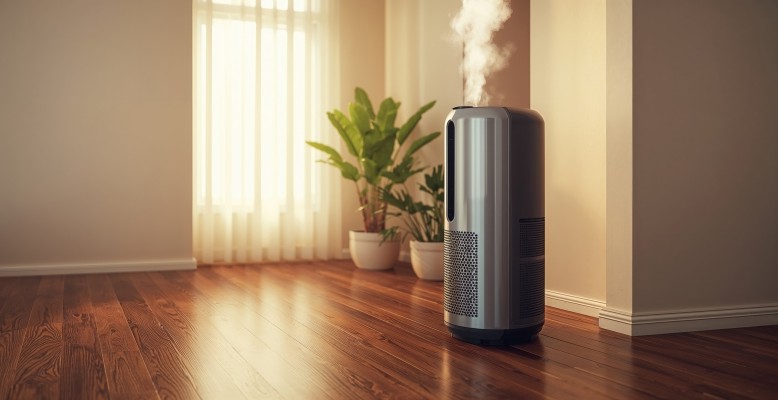
Install a Humidifier
A whole-home or portable humidifier can greatly improve comfort during the winter. The right humidity levels help with several factors. A humidifier can help:
- Relieve dry skin and sinus irritation
- Make your home feel warmer at lower thermostat settings, helping with cost savings
- Preserve wood floors and delicate furniture from any damage or decay.
Clean Your Air Ducts
Dust, debris, and allergens tend to build up in air ducts. Over time, heating systems can circulate these particles throughout the home. Professional air duct cleaning services from professionals like ALH improves airflow and reduces allergy triggers while supporting better indoor air quality. It also improves energy efficiency and lowers energy bills.
Consider an Air Purifier
Air purifiers are designed to capture fine particles that typical HVAC filters often miss. Modern air purification systems remove bacteria, odors, and airborne contaminants; they are especially helpful for households with pets or residents prone to allergies.
Schedule Seasonal HVAC Maintenance
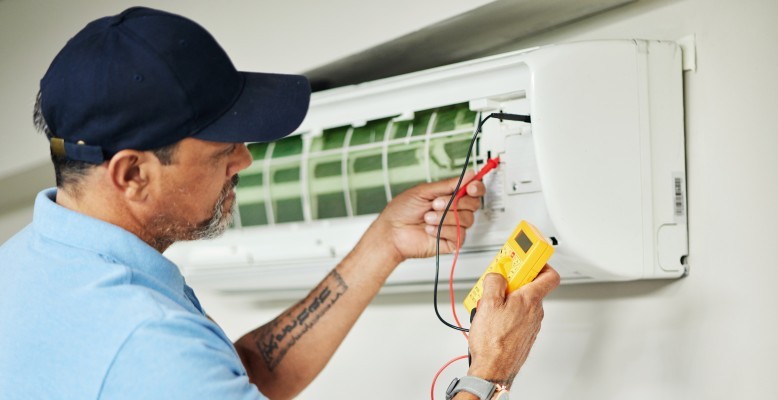
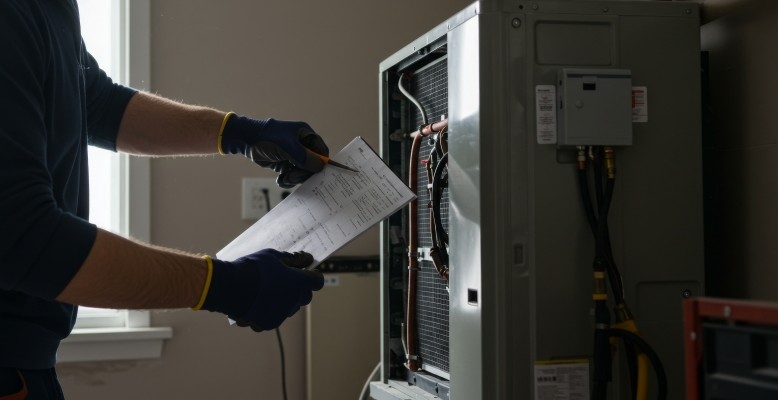
Routine HVAC maintenance is essential for maximizing your Atlanta home or businesses air quality during the winter. Regular check-ups and inspections ensure that components are clean, airflow is steady, and filters are operating the way they should. Winter HVAC maintenance services can also prevent breakdowns and extend your HVAC system’s lifespan.
How ALH Helps with Indoor Air Quality
Andy Lewis / Hobson Heating & Air has been helping Atlanta homeowners feel more comfortable through better indoor air quality for over 50 years. Our licensed and bonded technicians evaluate your entire HVAC system, including filters, ductwork, humidity levels, and airflow, to identify issues with your home’s air quality.
We specialize in customized solutions tailor-made for your specific property. We’ll work with you to understand your specific needs and concerns, developing a plan that gets your home’s indoor air quality to where it should be. Best of all, we provide year-round support so you can rest easy no matter what.
Improve Your Home’s Air Quality with Andy Lewis / Hobson
Just because it’s cold outside doesn’t mean you have to deal with stuffy or dry air. With the right HVAC maintenance services, you can stay warm and comfortable no matter how low temperatures go. Andy Lewis / Hobson has been Atlanta’s go-to for HVAC maintenance, installation, and repair services for over 50 years, and we’re here to help.
Don’t wait — contact us today!
Frequently Asked Questions (FAQs)
Is air quality worse in winter?
Yes, air quality is often worse during the winter months. Homes stay closed up to keep heat in, which also traps dust, allergens, and indoor pollutants. Outdoor air can also worsen because cold weather keeps pollution closer to the ground, especially in areas with smoke from fireplaces or wood-burning stoves.
Why is indoor air dry in winter?
Indoor air becomes dry in winter because cold air holds less moisture. When that air is heated inside your home, the humidity drops even further. Heating systems also contribute by drying out the air as they run.
What are the signs of poor indoor air?
Poor indoor air quality can cause symptoms like dry eyes, irritated throat, coughing, headaches, fatigue, or worsened allergies and asthma. You may also notice more dust, lingering odors, or a stuffy feeling indoors.
How to improve indoor air quality in winter?
Improving indoor air quality starts with regular HVAC care. Change your filters every one to three months and schedule seasonal maintenance check-ups. Using air purifiers, keeping your home clean, and maintaining healthy humidity levels can also help reduce indoor pollutants.
To improve indoor air quality in winter, schedule regular maintenance check-ups and change your HVAC filters regularly.
What should I set my humidifier to in winter?
Most homes feel healthiest and most comfortable with indoor humidity between 30% and 40% during winter. When temperatures drop very low outside, it’s best to stay closer to 30% to prevent condensation and mold. A balanced humidity level helps prevent dry skin, sinus irritation, and static electricity.