(770) 738-7513
 (770) 738-7513
 Schedule Now
Published on November 20, 2025 by: alhhvac
Learn How Your HVAC System Can Improve Air Quality
Most homeowners understand how home temperature affects comfort levels, but humidity plays just as big a part in indoor air quality. In fact, too much or too little humidity can lead to health issues, higher energy costs, and serious strain on your HVAC system. That’s why it’s worth asking: how does humidity affect air quality, and what can your HVAC system do to help?
This guide from the experts at ALH explains how humidity impacts indoor air quality, what ideal humidity levels look like, and how your HVAC system manages humidity control. We’ll also answer common homeowner questions about HVAC and humidity, and show how ALH’s services can keep your home’s air clean, safe, and comfortable year-round.
How Humidity Affects Indoor Air Quality
Humidity plays a big role in how your home feels and how healthy your air is, no matter the season. Both high and low humidity can cause problems that affect comfort, energy costs, and even your health.
High Humidity
Excess humidity makes indoor air feel heavy and sticky. It also creates the perfect conditions for allergens and pollen to thrive, all of which can worsen allergies and asthma. Moist air encourages bacteria growth and lingering odors, further lowering indoor air quality.
Beyond health, high humidity stresses your cooling system, forcing it to run longer and use more energy to maintain the same temperature. Over time, this leads to higher utility bills and added wear and tear on your HVAC equipment.
Low Humidity
Dry air comes with its own set of problems. Low humidity can irritate your skin, throat, and eyes, and it often leaves you feeling less comfortable even when the thermostat is set correctly. It also allows dust, pollen, and other particles to stay suspended in the air longer, making allergy and asthma symptoms worse. In addition, dry air can pull moisture from wood furniture, flooring, and trim, causing cracks and warping that may require costly repairs.
What’s the Ideal Indoor Humidity Level?
Finding the right balance is important for both comfort and health. Too much moisture encourages biological growth and allergens, while too little can dry out your skin and airways. The goal is to stay within a healthy range that keeps your home comfortable year-round.
- Recommended Indoor Humidity Levels: Most experts suggest keeping indoor humidity between 30% and 50%. This range supports comfort, protects your home, and keeps your HVAC system running efficiently.
- Seasonal Changes and Humidity Shifts: Humidity tends to rise in summer and drop in winter. Adjusting with tools like humidifiers or dehumidifiers helps maintain a stable, healthy balance.
How HVAC Systems Affect Humidity Control
Your HVAC system plays a major role in keeping indoor humidity balanced. Beyond heating and cooling, modern systems are designed to manage moisture levels, preventing both excess dampness and overly dry air.
Air Conditioners and Humidity
Air conditioners naturally remove moisture from the air as they cool, helping reduce humidity during hot, sticky months. However, if the unit is oversized or not working properly, it may cool too quickly without effectively dehumidifying your living space.
Furnaces and Dry Air
Gas and electric furnaces can dry out indoor air during the winter. Without proper adjustments or added humidification, this can lead to discomfort, dry skin, and increased static electricity.
Heat Pumps and Balanced Comfort
Heat pumps regulate both heating and cooling, which means they also influence humidity. When properly maintained, they can help keep moisture levels steady year-round.
Whole-Home Humidifiers and Dehumidifiers
These add-on systems work with your HVAC to provide precise moisture control. Humidifiers add moisture during dry winter months, while dehumidifiers pull excess water from the air in summer.
Signs of Poor HVAC Humidity Control
When your HVAC system isn’t managing humidity properly, the effects usually show up quickly. Paying attention to these signs can help you spot issues before they become bigger problems.
Excess Humidity
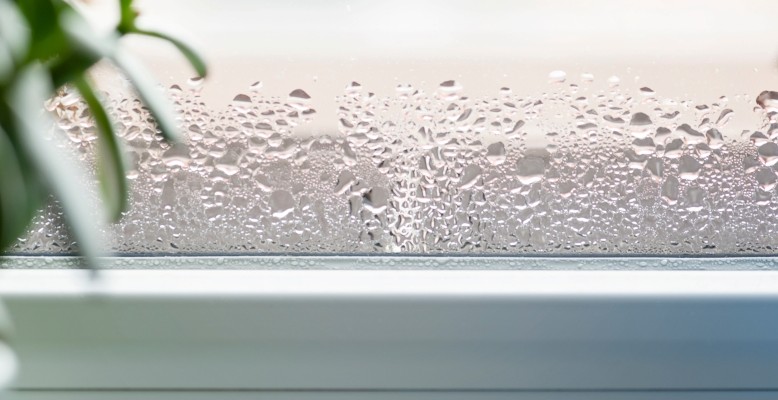
Excess indoor humidity often reveals itself through fogged or wet windows, as well as condensation forming on glass or walls. You might notice musty odors in places like basements or bathrooms, or even see biological growth and mildew starting to grow in corners or around vents. The air itself can feel heavy, sticky, or clammy, even when your air conditioner is running.
Low Humidity
On the other hand, air that’s too dry creates its own set of problems. People often experience dry skin, chapped lips, or irritated sinuses, and static shocks become a regular annoyance. Over time, wood furniture and flooring may crack or shrink, while the air in your home feels uncomfortably dry or colder than it really is during the winter months.
How ALH Can Improve Indoor Air Quality
At Andy Lewis / Hobson Heating & Air, we know that healthy indoor air is about more than just keeping the temperature comfortable. We provide Atlanta area home and business owners with whole-home purification systems, humidity control systems, and advanced filtration technology designed to keep dust, allergens, and other airborne contaminants out of your property. These upgrades help create cleaner, fresher air for your home year-round.
We also help improve indoor air quality through our professional HVAC maintenance and repair services. By keeping your system tuned and running efficiently, we prevent common humidity issues and support better airflow throughout your home. Our licensed and insured technicians have the experience and expertise needed to get the job done.
Improve Your Atlanta Home’s Indoor Air Quality with Andy Lewis / Hobson
Andy Lewis / Hobson Heating & Air has been serving Atlanta homeowners for decades with trusted HVAC and indoor air quality services. Our team provides tailored solutions to improve comfort, reduce allergens, and keep humidity levels in check. From the moment we arrive at your Atlanta area home or business, you’ll be in good hands.
If your home’s HVAC system needs expert care, ALH has you covered with expert maintenance, repairs, and installations. Don’t wait – contact ALH today for a free quote!
Frequently Asked Questions (FAQs)
How does humidity affect air quality?
Humidity influences how comfortable and healthy indoor air feels. Too much can cause biological growth and musty odors, while too little can dry out your skin and sinuses.
Does running HVAC fan reduce humidity?
No, running the fan alone can actually spread moisture instead of removing it. The AC cycle is what reduces humidity.
Does humidity clean air?
No, humidity doesn’t clean the air. However, it can affect how dust, allergens, and pollutants move and settle indoors.
Does HVAC help with humidity?
Yes, a properly working HVAC system can balance humidity by removing excess moisture.