(770) 738-7513
 (770) 738-7513
 Schedule Now
Published on April 29, 2026 by: alhhvac
What Is the Average HVAC Lifespan?
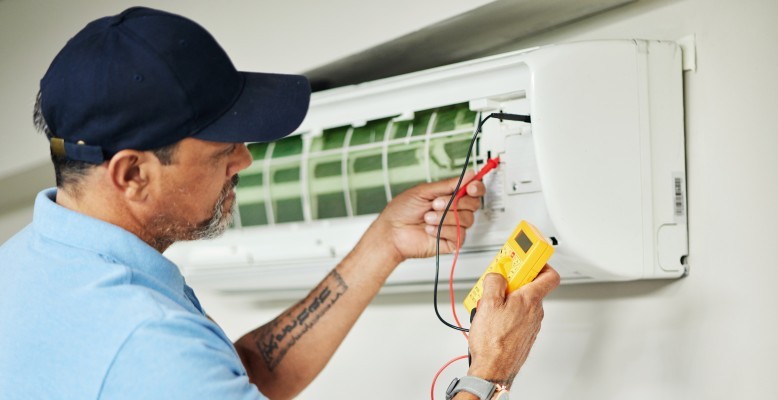
Average HVAC lifespan refers to how long a heating and cooling system can operate before age-related wear and tear causes permanent failure. In general, the average lifespan of an HVAC system ranges from 10 to 20 years. However, HVAC longevity depends on the type of equipment, usage level, and how well it is maintained.
Climate and upkeep also play a major role in HVAC system life expectancy. In regions with long cooling seasons, HVAC units tend to experience more wear, shortening overall HVAC unit lifespan. That being said, systems that receive regular maintenance and professional care typically last longer and operate more efficiently throughout their service life, no matter the climate.
Learn More About HVAC System Maintenance with Andy Lewis / Hobson
Many homeowners don’t think about their HVAC system unless something goes catastrophically wrong. However, HVAC systems tend to decline slowly, with wear and tear adding up over time. Even a well-designed and properly installed system won’t last forever. Understanding how long HVAC systems tend to last can help you plan ahead and avoid costly repairs.
This guide from Atlanta’s local HVAC professionals at Andy Lewis / Hobson explains how long an HVAC system typically lasts. You’ll learn more about the factors that affect system life expectancy, average lifespan for specific types of systems, what shortens (or extends) HVAC system life, and how to tell when it’s time to replace your system.
HVAC Lifespan by System Type
Average HVAC lifespan varies depending on the type of system you have installed in your home. Each system experiences different usage patterns, stress levels, and maintenance needs, all of which affect how long it will last. While some systems wear out sooner due to frequent use, others are built to run reliably for decades, making it helpful to understand how lifespans typically break down over time.
- Years 0–10: Most central air conditioners and heat pumps operate within their expected lifespan range.
- Years 10–15: Central air conditioners and heat pumps typically reach the end of their lifespan during this window.
- Years 15–20: Furnaces — especially gas models — continue running longer, often lasting into this range.
While these ranges reflect the average lifespan of HVAC systems, real-world performance depends heavily on installation quality, maintenance habits, and local climate conditions. Thankfully, working with trusted HVAC professionals both during your system’s installation and after tends to maximize your system’s lifespan.
Factors That Affect HVAC Unit Lifespan
There are specific factors that can positively or negatively impact HVAC unit lifespan. Here are some points to consider:
Maintenance Habits
Routine maintenance is one of the biggest factors that determines HVAC lifespan. Systems that receive regular filter changes, coil cleanings, and annual tune-ups tend to run more efficiently and experience less wear over time.
Poorly maintained systems, on the other hand, are more likely to suffer from airflow issues, overheating, and premature component failure, significantly shortening overall HVAC system life expectancy.
Installation Quality
Even high-quality equipment can reduce lifespan if installed incorrectly. Improper sizing, poor duct connections, or incorrect refrigerant levels can put unnecessary strain on a system. Over time, this added strain accelerates wear and tear, leading to early failures.
Climate and Usage
Local climate also plays a major role in how long HVAC systems last. In warmer regions like the Atlanta area, air conditioners and heat pumps often run for extended periods throughout the year, increasing overall system usage. In particular, frequently on-off cycling places extra stress on its components. This can shorten system lifespan compared to systems in more mild climates.
Build Quality
Not all HVAC systems are built the same. In fact, equipment brand, component quality, and system design all influence HVAC system life expectancy. Higher-quality units with durable parts and solid warranties often last far longer, especially when paired with proper installation and consistent maintenance. On the other hand, a lower-end system may have a shorter than average lifespan, even if it’s installed correctly.
Signs Your HVAC System Is Failing
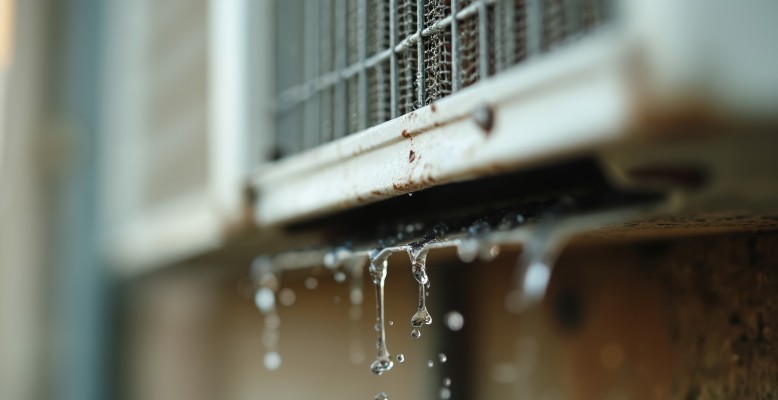
Typically, HVAC systems nearing the end of their lifespan start to show one or more signs of decline. Here are a few things to look out for:
Frequent Repairs
Have you needed to repair your HVAC system more than usual? If so, it’s likely that its components are wearing out. In particular, repeated issues with compressors, motors, and fans are a common sign of decline.
Rising Energy Bills
Sudden increases in energy bills are a common side effect of aging systems. As systems get older, worn parts and airflow restrictions can make units work harder than usual to maintain temperatures, consuming more energy. Monitoring your monthly energy bills can help you identify if your system’s on its last legs.
Inconsistent Comfort
Few things are more frustrating than hot or cold spots throughout your home. Dealing with uneven heating and cooling is never enjoyable, and it’s often the sign of a failing system. Aging systems often struggle to spread air evenly across homes.
System Aging
HVAC systems naturally wear out over time, even when properly maintained. Units that are 10–15 years old (or older) may not perform as well as newer models. Keeping track of your system’s age can help you determine whether it’s time to repair or replace your system.
When to Replace Your HVAC System
It can be hard to know whether or not your system needs a few repairs or to be replaced entirely. Knowing when exactly to replace your HVAC system can save you from costly repairs and poor indoor air quality. While repairs and regular maintenance can help extend unit lifespan, there comes a point when repairs don’t make sense.
If your system frequently breaks down, struggles to maintain consistent temperatures, or shows signs of declining efficiency, it may be time to consider getting a new one. It’s also important to keep in mind the average lifespan for your specific system. If your system is past the average lifespan, it’s likely more cost-effective in the long run to get it replaced.
How ALH Helps Homeowners Maximize HVAC Lifespan
Andy Lewis / Hobson understands how important HVAC systems are to local homeowners. We have over 50 years of experience providing expert inspections, regular maintenance, and installation services designed to keep systems running for as long as possible. By identifying small issues early, we can prevent costly breakdowns and give you peace of mind.
We understand how proper system sizing and installation quality affects HVAC lifespan. Our installation projects are tailor-made for homes and put your needs first. We also provide routine tune-ups, filtration services, and component cleaning all year round.
Schedule an HVAC Check-Up with Andy Lewis / Hobson
Don’t wait until your HVAC system fails or starts driving up energy bills. Andy Lewis / Hobson Heating & Air has been helping Atlanta homeowners maintain, repair, and replace HVAC systems for over 50 years. Our licensed technicians provide thorough inspections, routine maintenance, and expert guidance to help you get the most out of your system.
Contact us today to schedule an HVAC check-up!
Frequently Asked Questions (FAQs)
How Long Does HVAC Last?
Most modern HVAC systems have a lifespan of 10–15 years for air conditioners and heat pumps, and 15–20 years for furnaces. That being said, proper maintenance, climate, and usage habits all influence exactly how long a system lasts.
How Long Should an HVAC System Last?
Ideally, a well-maintained HVAC system should operate efficiently for at least a decade. Regular inspections, timely repairs, and proper system usage help ensure it reaches or exceeds its expected life expectancy.
When Should I Replace My HVAC?
Replacement is recommended if your system is consistently breaking down, struggling to work, or past its typical lifespan. Other signs include rising energy bills, frequent repairs, and uneven heating or cooling throughout your home.