(770) 738-7513
 (770) 738-7513
 Schedule Now
Published on May 6, 2026 by: alhhvac
Home Air Quality Tips from Atlanta’s HVAC Experts
Spring showers may bring warmer weather, but they also increase humidity levels in your home. This excess moisture can make rooms feel sticky, spread musty odors, and cause mold or dust mites. Indoor humidity also affects indoor air quality, worsening allergies and other existing health problems in both people and pets.
In this article, Atlanta’s local HVAC professionals at Andy Lewis / Hobson Heating & Air break down how spring humidity impacts your home’s indoor air quality. You’ll learn:
- How HVAC systems and dehumidifiers can keep humidity in check
- Practical tips on how to make your home less humid
- How ALH’s targeted solutions can maximize your personal comfort levels
What Is Indoor Humidity?
Indoor humidity refers to the amount of moisture in your home’s air. Humidity levels tend to fluctuate with the seasons, rising in the spring and summer when rainfall increases. While some humidity is normal or even beneficial, too much can cause serious problems for your home and HVAC system.
Typically, indoor humidity levels should be between 30% and 50% to prevent musty smells, mold growth, and the spread of allergens. When humidity levels rise above this range, your home can start to feel uncomfortable. Thankfully, once you understand how indoor humidity can cause these problems, you’re well on your way to solving the problem.
How Humidity Affects Your Home’s Air Quality
Excess indoor humidity leads to specific problems that, in turn, negatively affect your home’s air quality. Below are a few common results of high indoor humidity levels.
Biological Growth and Mold
Nobody likes to have mold and mildew spreading throughout their home. Damp, humid spaces are breeding grounds for these types of biological growth. In particular, walls, ceilings, basements, and attics are most vulnerable.
These organisms release spores into your home’s air, triggering allergies, respiratory irritation, and nasty smells. Some types of biological growth, such as black mold, can even cause severe health complications and long-term side effects.
Allergens and Dust Mites
When humidity levels soar, dust mites and other allergens thrive. Even in clean homes, damp conditions make these microscopic pests far more active. This can worsen asthma symptoms, cause allergic reactions, and lead to other respiratory issues.
HVAC Performance Issues
Excess humidity also puts a strain on HVAC systems. When there’s too much moisture in a home, systems have to work harder to cool or circulate air throughout the home. Oftentimes, moisture accumulates in the ductwork or on coils, reducing efficiency and leading to uneven temperatures. Overworked systems also tend to break down more often, leading to costly repairs and upgrades.
Common Signs of Humidity Issues
Homes with high humidity levels typically share things in common. Here are a few common signs that your property’s humidity levels are too high:
Damp, Sticky Rooms
When humidity rises, rooms can feel heavy and uncomfortable. Surfaces like floors, walls, and furniture may feel damp or sticky, making your home less enjoyable to spend time in and forcing your HVAC system to work harder.
Excess Condensation
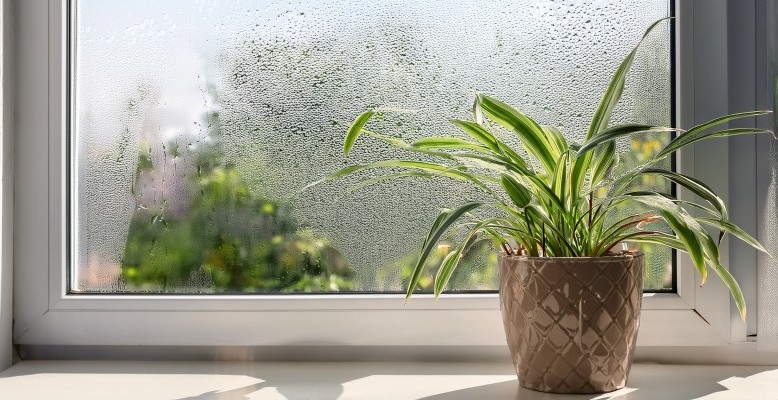
Windows, doors, and walls can develop condensation when indoor air is too humid. Over time, this moisture damages paint, wood, or insulation. It also accelerates mold and mildew growth.
Musty Odors
High humidity often leads to persistent musty smells, particularly in basements, closets, or poorly ventilated areas. These odors are a sign that moisture is encouraging the growth of mold, mildew, or bacteria, which can negatively impact indoor air quality.
How HVAC Systems Help With Humidity Control
HVAC systems do more than just heat or cool your home. They also play a crucial role in managing indoor humidity. The right tools can keep your home comfortable all year round, protect against moisture damage, and lower your energy bills. Here are a few specific professional humidity control solutions that can help you tackle excess moisture:
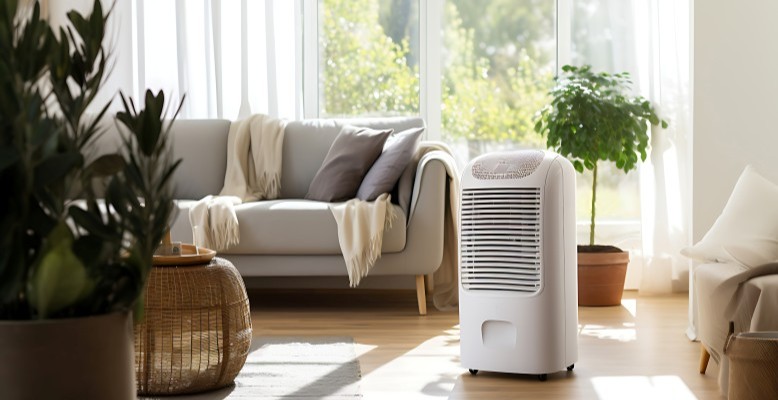
- HVAC Dehumidifiers: Many modern HVAC systems include or can be paired with dehumidifiers that remove excess moisture from the air. This helps maintain balanced humidity levels, prevents musty smells, and reduces the growth of mold and mildew.
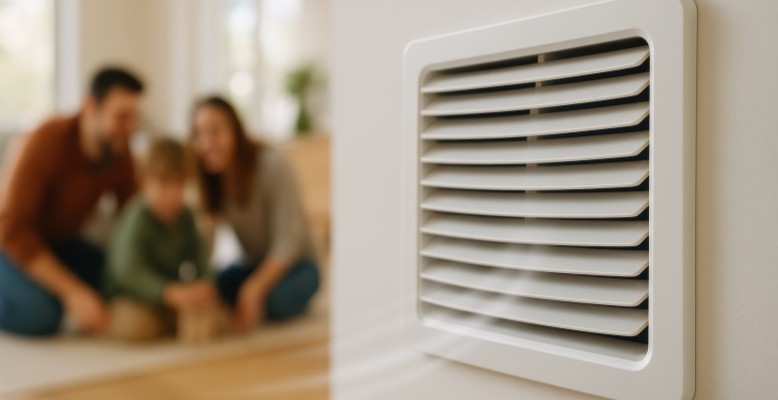
- Ventilation and Airflow Management: Proper airflow and ventilation ensure that moist air doesn’t get trapped in certain areas of your home. HVAC systems can be adjusted to improve circulation, expelling humid air and spreading drier, conditioned air.
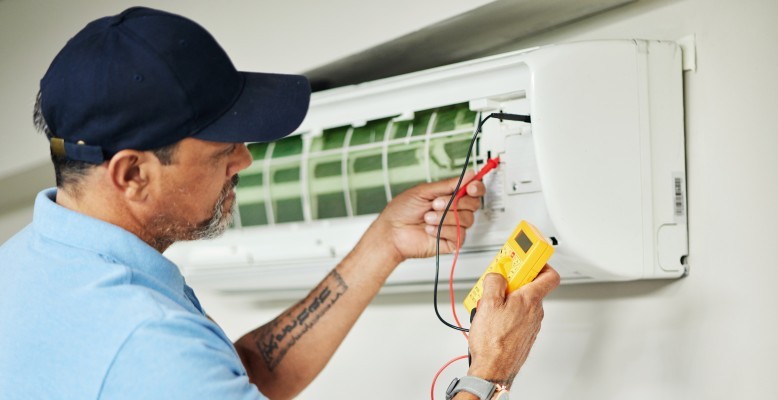
- Coil Maintenance: A well-maintained system prevents common problems like condensation on coils or inside ducts, which can create pockets of humidity that degrade indoor air quality. Regular tune-ups and professional inspections ensure your HVAC system handles moisture effectively.
A blended approach that integrates multiple strategies should keep indoor humidity levels in check no matter how humid it gets outside.
Practical Tips to Reduce Home Humidity
You can help keep your home comfortable with some targeted solutions. Here are four practical tips:
Use Dehumidifiers
Whole-home or portable dehumidifiers remove excess moisture from the air, keeping humidity levels in check. This helps prevent musty odors, reduces mold and mildew growth, and makes your home feel more comfortable.
Install Vent Fans
Vent fans in bathrooms, kitchens, and laundry areas help expel humid air directly outside. Running these fans during and after showers, cooking, or laundry cycles prevents moisture from building up in your home.
Seal Leaks
Did you know that leaks around windows, doors, or in insulation allow humid outdoor air to enter? Sealing these gaps helps maintain stable indoor humidity and reduces strain on your HVAC system.
Maintain Your HVAC System
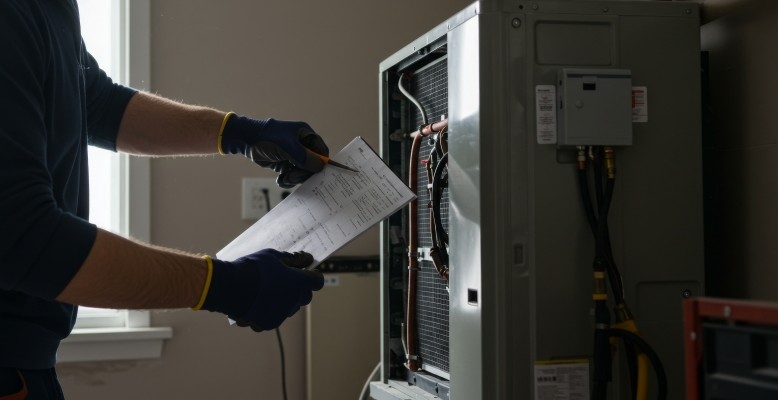
Regular HVAC maintenance ensures filters, coils, and ducts are clean and functioning properly. Proper maintenance prevents trapped moisture, improves airflow, and keeps humidity levels balanced throughout your home.
How ALH Helps with Indoor Humidity and Air Quality
At Andy Lewis / Hobson, we understand just how humid it gets in Atlanta during the spring and summer seasons. For over fifty years, we’ve helped Atlanta homeowners manage their indoor humidity levels so they can stay comfortable. Our NATE-certified technicians have years of experience evaluating, inspecting, and fixing home HVAC systems. We can identify areas where moisture may be building up or where airflow could be improved.
We also provide targeted solutions such as dehumidifiers, ventilation adjustments, ductwork sealing, and routine maintenance check-ups. With ALH, you get a customized, hands-on approach that targets your home’s specific needs.
Stay Comfortable This Spring with Andy Lewis / Hobson
You shouldn’t have to feel uncomfortable this spring. The right HVAC solutions and professional support team can keep your home’s moisture levels down and improve your indoor air quality.
For over 50 years, Andy Lewis / Hobson Heating & Air has been helping Atlanta homeowners improve their comfort levels. From HVAC maintenance and humidity control to dehumidifier solutions, our team is here to help. We have the experience, equipment, and passion needed to get the job done.
Contact us today to schedule a spring HVAC inspection!
Frequently Asked Questions (FAQs)
How Does Humidity Affect Air Quality?
High humidity negatively affects air quality by causing mold, mildew, and dust mites to spread. It also helps circulate allergens throughout the air, worsening allergies and asthma symptoms.
Does HVAC Help With Humidity?
Yes, HVAC systems help regulate indoor humidity by removing moisture.
How to Control Home Humidity?
Controlling home humidity starts with proper ventilation, routine HVAC maintenance, and sealing air leaks. Using dehumidifiers, running exhaust fans in moisture-heavy areas, and ensuring good airflow can also reduce excess humidity.
Why Does My House Feel Humid?
Your house may feel humid due to high outdoor moisture, poor ventilation, air leaks, or an HVAC system that isn’t removing enough moisture. Your system might also be oversized or fitted with poor-quality components.
Can HVAC Cause Humidity?
In some cases, yes. An improperly sized or poorly maintained HVAC system may fail to remove enough moisture from the air. Issues like dirty coils, blocked drains, or short cycling can allow humidity to build up inside the home.