(770) 738-7513
 (770) 738-7513
 Schedule Now




Published on November 10, 2026 by: alhhvac
Prepare Your Home for Cooler Weather with Andy Lewis / Hobson
The end of summer in Atlanta brings with it a return to school, closed pools, and cooler temperatures. As the fall season begins, HVAC systems shift from providing cooling to focusing more on heating.
This unique transition period is one of the most important times of the year for maintenance. Without proper maintenance and care, you could be caught off guard once temperatures plummet.
The right fall HVAC maintenance checklist can help keep your system clean, efficient, and prepared for colder weather.
In this article from Atlanta’s residential HVAC experts Andy Lewis / Hobson, we explain everything you need to know about fall HVAC maintenance.
You’ll learn more about how seasonal service can lower your energy bills and prevent expensive repairs and how ALH handles fall HVAC maintenance.
Why Fall HVAC Maintenance Matters
HVAC systems work extra hard during the summertime to keep you and your family cool. After months of nonstop work, your system needs extra attention before it switches over to heating mode.
Fall HVAC maintenance is crucial because wear and tear tends to show up quickly once colder temperatures hit. A small issue that went unnoticed during the cooling season could turn into an emergency in a matter of weeks.
Fall HVAC service also improves your system’s performance. These inspections check every part of your system to make sure it’s balanced and ready for the cold winter months.
As a result, you can enjoy lower energy bills, a longer lifespan for your system, and increased peace of mind. Heating accounts for nearly half of your home’s energy use, so optimizing your system will lead to major cost savings.
What Makes Fall HVAC Service Different?
Fall HVAC service goes beyond regular maintenance tune-ups. It’s best to think of it as a seasonal reset. After months of heavy air conditioning use, your system needs specific checks that don’t typically happen during other service periods of the year.
In the fall, technicians are specifically interested in testing heating cycles and burners to make sure that your system is working properly. There’s a specific focus on safety and reliability, with the goal being to keep you and your loved ones warm as the leaves fall and temperatures do too.
Fall service also focuses on cleaning up after summer strain. Coils may need attention, electrical connections can get loose from constant operation, and airflow issues often become more noticeable when heating demand kicks in.
A fall HVAC inspection can keep your home warm and comfortable all season long.
Your Essential Fall HVAC Maintenance Checklist
Getting your system ready for cooler weather doesn’t have to be complicated. In fact, there are tried-and-true tips you can do at home to get your system ready. Here are a few steps to consider:
Test Heating Cycles
Before it gets too cold outside, turn your system on and let it complete a full heating cycle. Make sure warm air is flowing properly throughout your home and that the system starts, runs, and shuts off. We recommend watching for strange noises or smells. This type of testing gives you time to fix issues before that first cold snap hits.
Inspect and Clean Coils
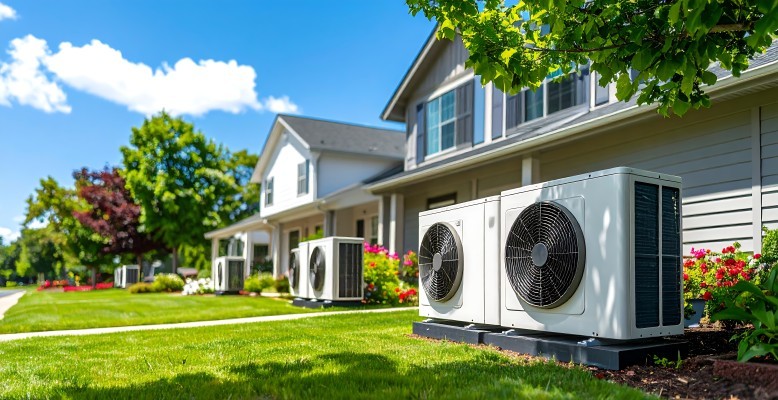
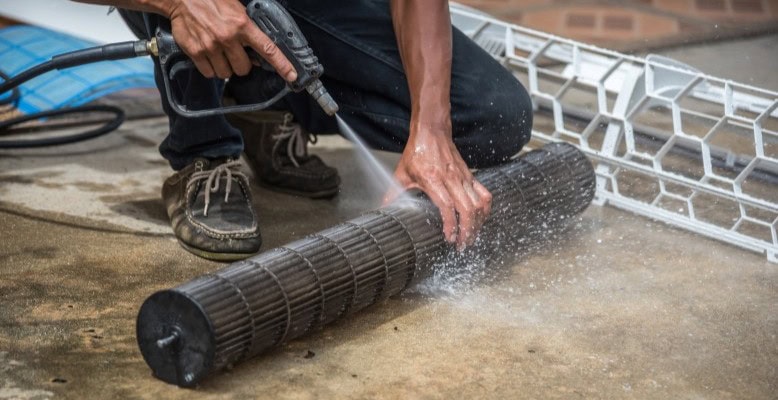
After a long summer of cooling, your evaporator and condenser coils may be coated with dust and debris. Dirty coils reduce efficiency and force your system to work harder than necessary. Cleaning them improves airflow, boosts performance, and helps prevent unnecessary strain heading into the heating season.
Check Air Filters
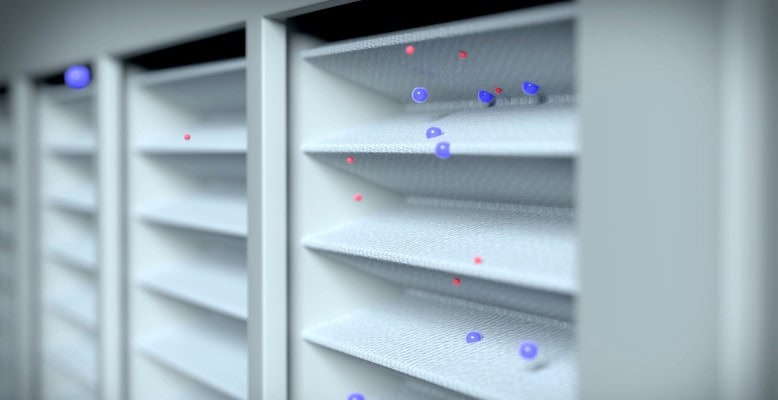
Fall is the perfect time to replace or inspect your air filter. A clogged filter restricts airflow, reduces efficiency, and can lead to uneven heating throughout your home. Fresh filters improve indoor air quality and keep your system running smoothly as it shifts into heavier use.
Seal Ductwork Leaks
Leaky ductwork wastes energy and makes it harder to maintain consistent indoor temperatures. We recommend that you inspect your ducts for visible gaps or loose connections and seal them as needed. If you’re unsure as to where to start, don’t hesitate to call for professional help.
Adjust Thermostat Settings
As outdoor temperatures drop, make sure you adjust your thermostat with comfort and efficiency in mind. If you have a programmable or smart thermostat, update your schedule to reflect cooler weather patterns. These small tweaks can lead to meaningful energy savings over the course of the season.
Inspect Electrical Components
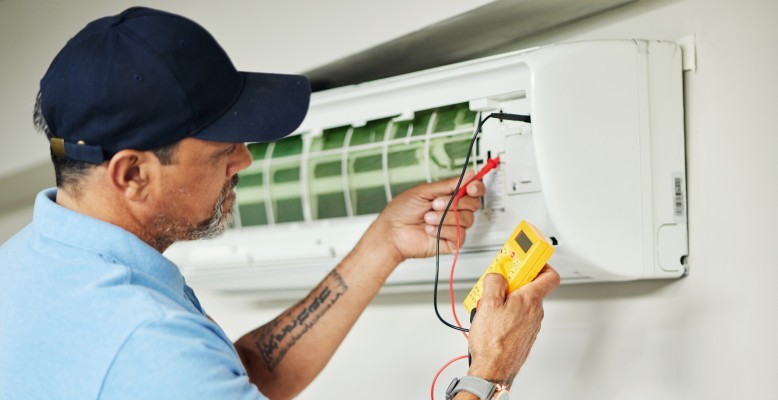
Electrical connections can get loose over time, especially after months of constant cooling. A fall inspection should include checking wiring, capacitors, and system controls to ensure everything is operating safely and reliably. While there’s some electrical inspections you can do at home, don’t be afraid to call for a professional if you feel unsure as to what to do.
When to Schedule Fall HVAC Service
Timing matters when it comes to fall HVAC maintenance. Ideally, you should schedule your fall HVAC service in early to mid-fall, around September or October. These months bring cooler temperatures but are still the best time to prepare before it gets seriously cold in November and December.
Waiting until November often means competing for appointments during one of the busiest times of the year, and small issues can quickly become urgent problems when temperatures drop.
A good rule of thumb is to book your fall HVAC inspection when nighttime temperatures begin dipping consistently, but before you’ve switched your system into full-time heating mode.
This gives technicians time to test heating cycles, inspect components, and make any necessary repairs without pressure. Proactive scheduling not only improves reliability, but it also helps your system run efficiently all season long.
How ALH Handles Fall HVAC Inspections
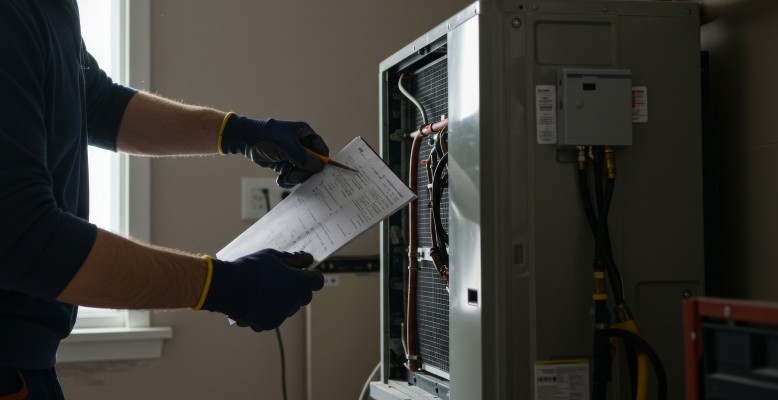
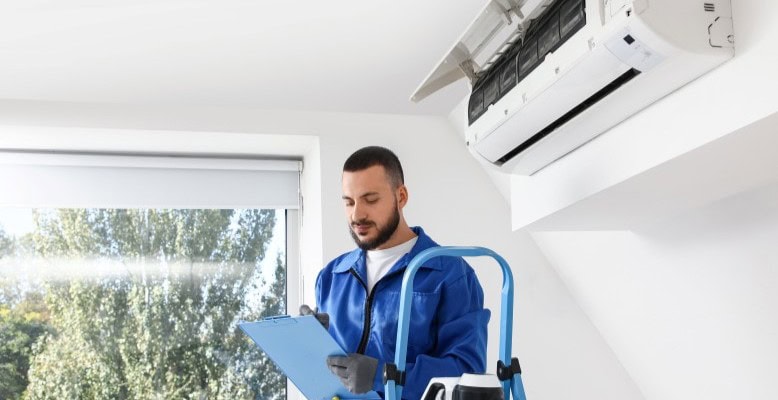
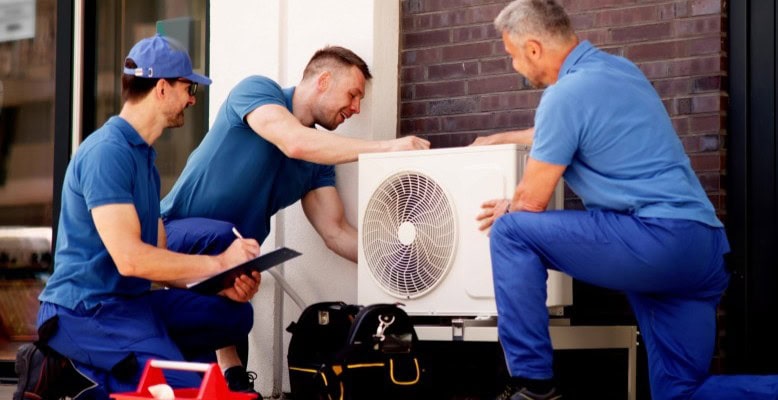
At Andy Lewis / Hobson, fall HVAC inspections are about more than a quick check-up. Our licensed, NATE-certified technicians perform a thorough system evaluation to make sure your heating equipment is ready for the colder months ahead. We test heating cycles, inspect and clean coils after heavy summer use, check refrigerant and airflow, tighten electrical connections, and examine critical components for signs of wear. If we spot anything that could cause trouble later, we address it before it turns into a mid-winter emergency.
We also take the time to walk you through our findings and answer your questions. Whether it’s replacing a worn part, recommending a filter upgrade, or fine-tuning thermostat settings, our goal is to make your life easier.
With over 50 years of experience serving the Atlanta area, ALH has what it takes to help homeowners tackle their HVAC challenges.
Schedule Your Fall HVAC Service with Andy Lewis / Hobson
No one should have to deal with a lack of heating when it’s freezing outside. As the temperatures drop, the last thing you want is to discover your heating system isn’t working. Scheduling your fall HVAC service now helps ensure reliable performance, improved energy efficiency, and fewer surprises when you need warmth the most. For over 50 years, Andy Lewis / Hobson has provided Atlanta-area homeowners with thorough fall HVAC maintenance and trusted expertise.
Don’t wait—contact us to schedule your fall HVAC service today!
Frequently Asked Questions (FAQs)
What Maintenance Does HVAC Need in Fall?
Fall HVAC maintenance should prepare your heating system for consistent, reliable performance during colder months. This typically includes testing heating cycles, inspecting and cleaning coils after heavy summer use, checking and replacing air filters, sealing ductwork leaks, tightening electrical connections, and making sure all components are operating safely and efficiently. A professional fall HVAC inspection also identifies worn parts before they break.
When Should I Schedule a Fall HVAC Tune-Up?
The best time to schedule a fall HVAC tune-up is early in the season, ideally before you begin using your heating system regularly. September through October is perfect, as it allows technicians to address any issues before cold weather arrives and service schedules fill up.