(770) 738-7513

 (770) 738-7513
 Schedule Now





Published on November 10, 2026 by: alhhvac
Keep Comfortable with Andy Lewis / Hobson
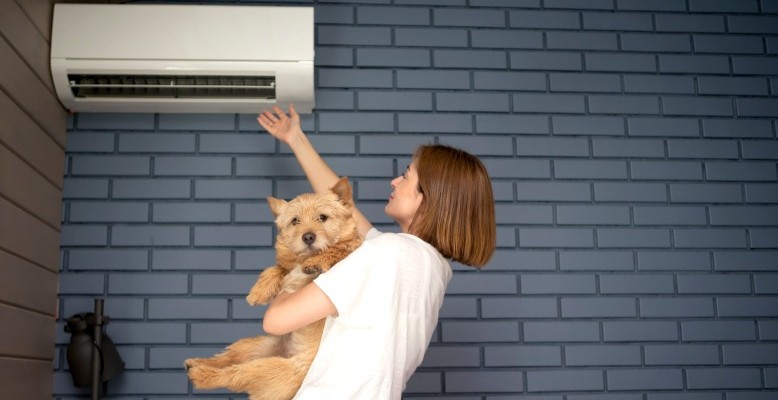
Few things matter as much to homeowners as their pets. Whether you have a dog, a cat, or another pet, you know just how wonderful life with pets can be. However, many homeowners don’t realize how pets can affect their HVAC systems. Pet hair, dander, and odors can lead to clogged air filters and restricted airflows, putting serious strain on your heating and cooling equipment.
The good news? You don’t have to choose between having a great HVAC system and your furry friends—not even close. With the right HVAC maintenance habits, you can protect your system while keeping your home’s indoor air quality fresh. In this guide, Atlanta’s HVAC experts Andy Lewis / Hobson share practical HVAC maintenance tips for pet owners that will keep your system working smoothly year-round.
How Pets Affect Your HVAC System
Pets are walking bundles of love and joy, and they make everyone’s life brighter. That said, pets shed hair, leave dander behind, and often cause lingering odors. These allergens don’t just stay on furniture and floors, as they get pulled into your system’s return vents. From here, they circulate through ductwork and collect inside your system.
Here’s more details on how each of these three contaminants can wreak havoc on your system.
Pet Hair
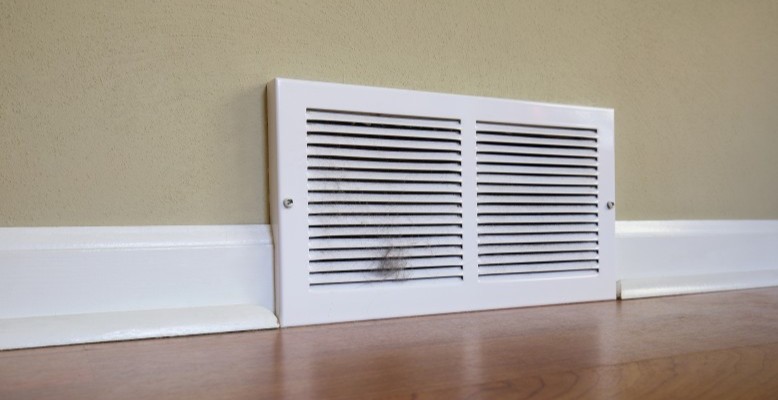
Pet hair is one of the most direct ways pets can impact your HVAC system. Loose fur easily gets drawn into return vents, where it collects on air filters and around blower components. If filters become clogged too quickly, airflow is restricted, forcing your system to work harder to heat or cool your home. In severe cases, excess buildup can even contribute to overheating or premature wear on moving parts.
Dander
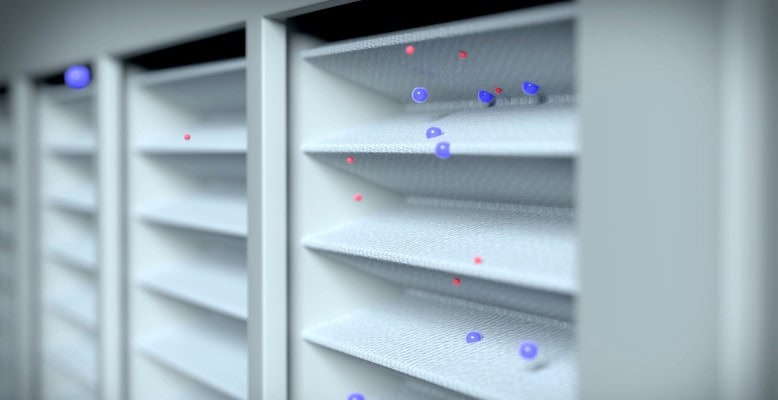
Pet dander is more subtle than hair but often more problematic. These microscopic skin flakes circulate easily through the air and can pass through low-efficiency filters. Over time, dander can accumulate inside ductwork and on internal components, reducing air quality and aggravating allergies. We recommend using a MERV-rated filter to keep dander under control.
Odors
Pet odors can also cycle through your HVAC system, especially if you don’t change your filters frequently. Smells from litter boxes, bedding, or accidents can get pulled into your system and spread throughout your home. Without proper filtration and maintenance, odors may linger longer than they should. Routine HVAC inspections and upgraded filtration solutions can help keep your home smelling fresh while protecting your system.
HVAC Maintenance Tips for Pet Owners
Just because you own pets doesn’t mean you have to live in discomfort. Regular maintenance can keep hair, dander, and dust buildup from affecting your home’s indoor air quality. Here’s a few tips to consider:
Replace Air Filters More Frequently
Did you know that pet hair and dander clog filters faster than normal household dust? In homes with one or more pets, it’s often best to replace air filters every 1–2 months instead of every 2–3 months. A clean filter will improve your home’s airflow, reduce strain on your system, and help trap allergens before they circulate.
Vacuum and Clean Return Vents
Return vents are where airborne hair and debris get pulled into your HVAC system. Regularly vacuuming around vent grilles and occasionally removing and cleaning them will help prevent buildup from entering the ductwork. A small step, for sure, but it can make a big difference.
Schedule Seasonal Tune-Ups
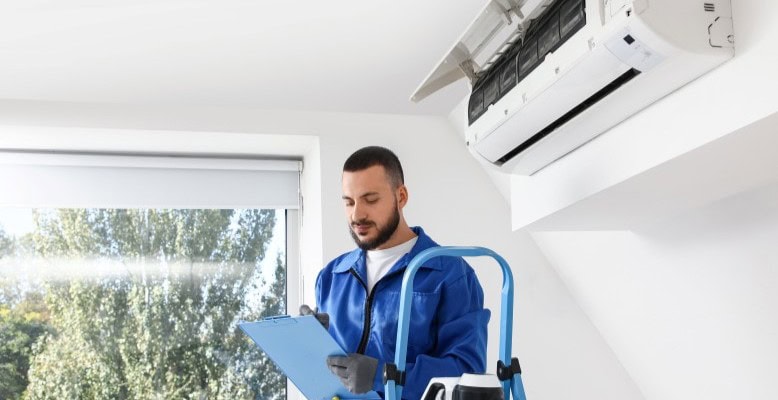
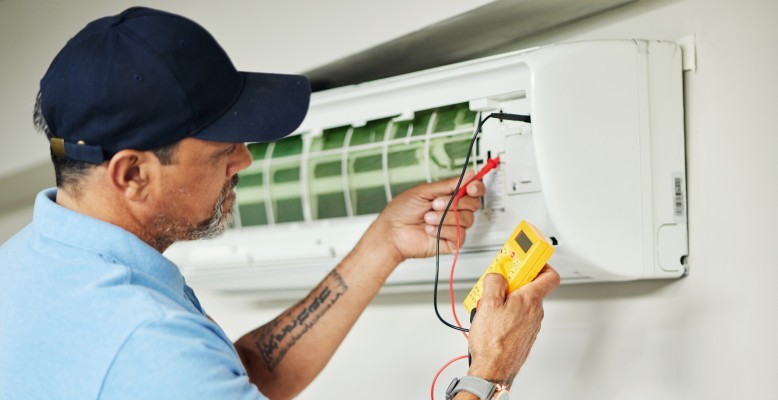
Pet-friendly homes benefit greatly from professional HVAC maintenance. During seasonal tune-ups, technicians can inspect your system’s parts, clean buildup, check airflow, and make sure your system isn’t working harder than it should. This proactive care helps prevent breakdowns and keeps everything running smoothly.
Consider Duct Cleaning
If you have multiple pets or notice excessive dust and odors, professional duct cleaning may be worth considering. Over time, pet hair and dander can settle inside ductwork, reducing air quality and airflow.
Groom Pets Regularly
One of the easiest ways to protect your HVAC system is to reduce shedding at the source. Regular brushing and grooming minimizes loose hair and dander in your home, which means less debris entering your HVAC system in the first place.
Best HVAC Filter for Homes with Pets
Choosing the right air filter is one of the most effective ways to keep HVAC systems running smoothly in homes with pets. Standard filters can trap larger debris like dust and dirt, but pet hair and dander are much finer and require stronger filtration to capture. That’s where the right MERV rating comes into play for balancing filtration with airflow.
For most pet-friendly homes, a filter with a MERV rating between 10 and 13 is a great fit. These filters do a solid job capturing smaller particles like pet dander, fine hair, and allergens without overly restricting airflow through your system. Filters rated below this range may let too many pet-related particles pass through, reducing indoor air quality. Filters rated much higher (like MERV 14+) can trap even finer particles but may limit airflow unless your HVAC system is designed for heavy-duty filtration.
Improving Indoor Air Quality in Homes with Pets
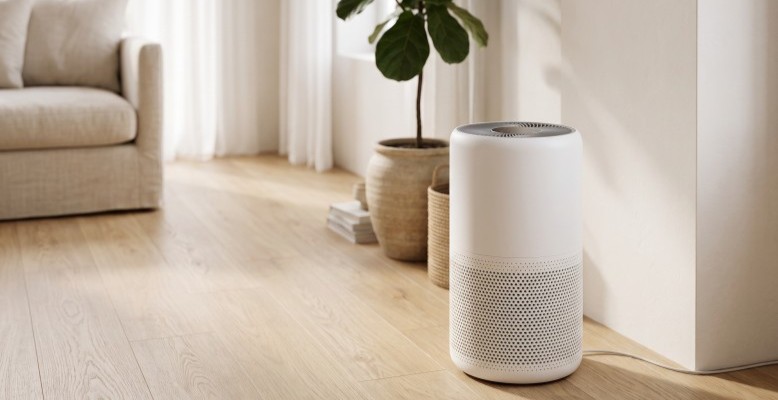
Pets naturally increase the amount of airborne particles inside your home, from fine dander to lingering odors. While regular filter changes help, improving indoor air quality in homes with pets often requires a more layered approach. Upgrading to a higher MERV-rated filter (if your system allows) is a strong first step.
For households with allergy concerns, whole-home air purifiers can provide an added layer of filtration beyond a standard HVAC filter. UV air purification systems may also help reduce airborne contaminants inside the ductwork. Managing humidity is another key factor you should consider. Excess humidity can intensify pet odors and allow allergens to linger longer in the air.
How ALH Helps Pet Owners Protect Their HVAC Systems
At Andy Lewis / Hobson, we help pet lovers keep themselves and their furry friends comfortable all year-round. Our team helps pet owners protect their heating and cooling systems with solutions designed to manage pet hair, dander, and odors while maintaining efficiency. We start by recommending the best air filters for your home, ensuring they’re high-quality and properly rated for capturing pet-related particles without restricting airflow.
During service visits, our NATE-certified technicians inspect and clean return vents, ductwork, and key HVAC components to prevent buildup that could affect performance. Beyond maintenance, we provide guidance on filter replacement schedules, airflow optimization, and system upgrades like whole-home purifiers or UV filtration.
Schedule HVAC Service Today with Andy Lewis / Hobson
Keeping your HVAC system running smoothly in a home with pets takes a little extra attention—and the right professional support. At Andy Lewis / Hobson, our licensed, NATE-certified technicians understand the unique challenges pet owners face, from clogged filters to dander buildup. We provide thorough inspections, maintenance, and filter recommendations tailored to your specific needs.
Don’t wait for small issues to turn into costly repairs. Whether it’s routine maintenance, a filter upgrade, or a full system check, ALH has over 50 years of experience keeping Atlanta homes comfortable and safe.
Contact us today to schedule HVAC service!
Frequently Asked Questions (FAQs)
Do Pets Affect HVAC Performance?
Yes, pets affect HVAC performance. Pet hair, dander, and shedding can clog filters, block vents, and reduce airflow. This makes your HVAC system work harder to maintain consistent temperatures. Over time, this extra strain can lower efficiency and lead to more frequent repairs.
What Is the Best HVAC Filter for a Home with Pets?
For homes with pets, a filter rated MERV 8–13 is usually ideal. These filters capture pet hair, dander, and dust without restricting airflow too much, keeping both your HVAC system and indoor air quality in balance. High-efficiency filters can be considered for allergy sufferers, but always check your system’s specifications first.
How Often Should I Change My Filter If I Have Pets?
Pet owners should typically replace their HVAC filters every 1–2 months, depending on the number of pets and shedding levels. Homes with multiple pets or heavy shedding may need monthly replacements to maintain efficiency and clean air.
How Do I Clean My HVAC System If I Have Pets?
Regular cleaning includes vacuuming vents and registers, wiping down accessible components, and scheduling professional duct and system inspections. ALH can help with thorough cleanings and preventive maintenance to keep pet hair and dander from affecting performance or air quality.