(770) 738-7513

 (770) 738-7513
 Schedule Now





Published on November 10, 2026 by: alhhvac
Learn About Air Filter Ratings with Andy Lewis / Hobson
If you’ve ever shopped for an HVAC air filter, you’ve probably noticed a number on the packaging labeled “MERV rating.” But what does that number actually mean? Many homeowners assume that a higher rating is better without realizing that choosing the wrong filter can affect airflow, energy efficiency, and even their system’s lifespan.
Understanding how MERV ratings work can improve your home’s indoor air quality while keeping your system working the way it should. Andy Lewis / Hobson, Atlanta’s HVAC experts of choice, are here to break down how MERV ratings work, why they’re important, and what MERV rating is right for your home. Whether you’re dealing with Atlanta’s heavy pollen season or just want cleaner indoor air, this article is for you.
What Is a MERV Rating?
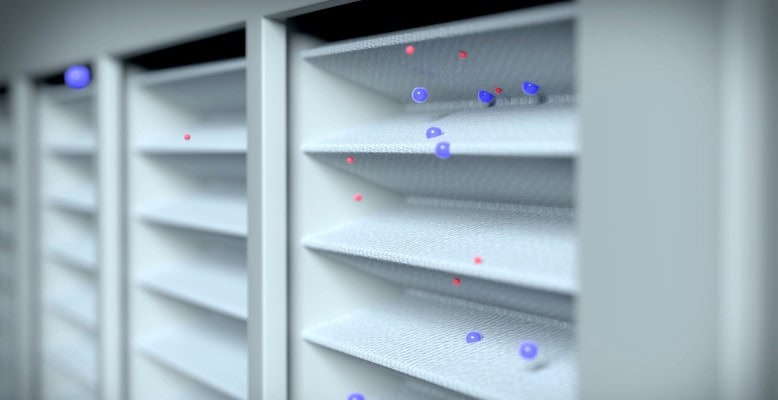
MERV stands for Minimum Efficiency Reporting Value, and it measures how effectively an air filter captures airborne particles. In simple terms, a MERV rating tells you how good your HVAC air filter is at trapping dust, pollen, mold spores, pet dander, and other pollutants before they circulate through your home. The higher the MERV rating, the smaller the particles the filter can capture.
MERV ratings typically range from 1 to 20, though most residential HVAC systems use filters between MERV 6 and MERV 13. Lower ratings capture larger particles like dust and lint, while higher MERV ratings can trap finer contaminants like smoke and bacteria.
However, higher MERV scores aren’t necessarily better, as it depends on your particular system. Filters with higher ratings create more airflow resistance, and your system has to handle that. We find that the greater the airflow, the more energy systems tend to use, leading to increased energy bills and additional system strain.
MERV Ratings: What the Numbers Mean
MERV ratings represent how effectively a filter captures particles of different sizes. Here’s a simple breakdown of common residential MERV ratings and what they typically capture:
- MERV 1–4: Basic filtration. Captures large particles like dust mites, carpet fibers, and pollen. Mostly used in light residential or commercial settings.
- MERV 5–8: Standard residential range. Traps mold spores, pet dander, and dust. A fantastic choice for everyday home use.
- MERV 9–12: Higher-efficiency filtration. Captures finer particles like auto emissions, lead dust, and some bacteria. Great for homes with pets or allergy sufferers.
- MERV 13–16: Advanced filtration. Can trap smoke, bacteria, and very fine particles. Often used in homes with air quality sensitivities, but requires a heavy-duty system to match.
Homes with pets often face extra challenges when it comes to indoor air quality. Pet hair, dander, and odors can circulate quickly, making a standard MERV 6–8 filter less effective. For households with cats, dogs, or multiple furry friends, a MERV 10–13 filter can capture smaller pet allergens like dander and fine hair before it spreads through your home. However, higher MERV filters create more resistance, so it’s important to ensure your HVAC system can handle it without reducing airflow.
With all of that in mind, most Atlanta homes perform well with a MERV 8 to MERV 11 filter. These filters balance strong filtration with healthy airflow. If you’re unsure what MERV rating your HVAC system supports, it’s always best to check manufacturer guidelines or consult a professional before upgrading.
Why MERV Ratings Matter for Your HVAC System
MERV ratings affect far more than air quality, as they impact your HVAC system’s efficiency and longevity. Filters with a rating that’s too high for your system can restrict airflow, making your HVAC unit work harder than it should. Over time, this added strain can lead to higher energy bills, uneven heating or cooling, and even premature wear on key components. On the other hand, a filter with too low of a MERV rating may not capture enough airborne particles, letting dust, pollen, and allergens circulate throughout your home.
Understanding MERV ratings can help you strike the perfect balance between air quality and system performance. For households with pets, allergy sufferers, or high pollution areas, a higher MERV filter may be worth it. That said, it’s equally important to follow your system’s specifications to prevent airflow issues.
How to Find Your Air Filter’s MERV Rating
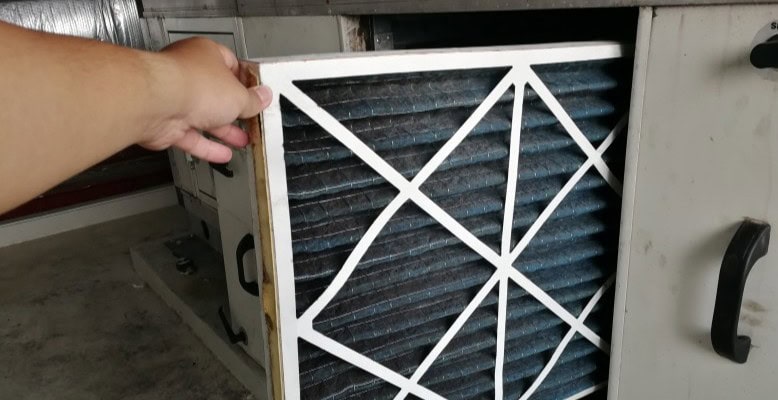
Finding your air filter’s MERV rating is simpler than it sounds. Most filters will have the MERV rating printed directly on the frame or packaging, often alongside the brand and model information. If you’ve recently installed a filter, check the box or the filter itself for a label that lists its MERV rating.
If your current filter doesn’t display a rating, you can check the manufacturer’s website or product manual to find it. For older systems or generic filters, it may be helpful to compare particle-trapping efficiency to a MERV chart to estimate the rating. When in doubt, contact your local HVAC professionals, as they have the experience and know-how needed to help you find your air filter’s MERV rating.
How ALH Helps Homeowners Choose the Right Filter
At Andy Lewis / Hobson, we help homeowners find the perfect filter for their needs. We balance efficiency and system performance. Our NATE-certified technicians help homeowners assess their indoor air quality needs, whether it’s managing allergies, controlling dust, or reducing pet dander, and recommend filters that fit their HVAC system like a glove.
We also provide guidance on proper installation, replacement schedules, and maintenance tips to keep your system running efficiently year-round. Best of all, we have unparalleled experience handling projects just like these, with over 50 years of proud service to Atlanta under our belts.

Choose the Right HVAC Filter with Andy Lewis / Hobson
Selecting the right air filter for your home doesn’t have to be confusing. At Andy Lewis / Hobson, we help Atlanta homeowners match the perfect MERV-rated filter to their HVAC system. Whether you’re dealing with pets, allergies, or just want cleaner air, our team can help you find the filter that meets your specific needs.
Beyond just picking a filter, our licensed technicians can inspect your system and recommend any upgrades or maintenance to keep your HVAC running smoothly. With ALH, you’ll have peace of mind knowing your home’s air is cleaner and your HVAC is performing at its best.
Improve your quality of life—contact us today to schedule your filter consultation.
Frequently Asked Questions (FAQs)
What Is a MERV Rating?
A MERV rating, or Minimum Efficiency Reporting Value rating, measures how effectively an air filter captures airborne particles. The higher the rating, the smaller and more numerous the particles the filter can trap, helping improve indoor air quality.
What Is the MERV Rating on Air Filters?
Most air filters have their MERV rating printed on the packaging or the side of the filter itself. This number helps you compare filter performance and choose one that matches your HVAC system and your home’s air quality needs.
What MERV Rating Should I Use?
The ideal MERV rating depends on your home and system. Standard residential HVAC systems typically work well with filters rated MERV 8–13. Homes with pets, allergy sufferers, or higher dust levels may benefit from higher-rated filters, but very high MERV filters can restrict airflow if your system isn’t designed for them. When in doubt, we recommend getting a professional opinion.
Does a Higher MERV Rating Restrict Airflow?
Yes, filters with higher MERV ratings can trap smaller particles, but they may also reduce airflow if your HVAC system isn’t designed to handle them. Using the wrong filter can strain your system, lower efficiency, and even increase energy costs, so it’s important to choose a filter that balances filtration with proper airflow.