(770) 738-7513
 (770) 738-7513
 Schedule Now




Published on November 10, 2026 by: alhhvac

Understand How HVAC Systems Work with Andy Lewis / Hobson
Many homeowners don’t realize just how important choosing the right HVAC system size is. If you want to keep your home comfortable and your energy bills in check, you need a system that’s properly sized for your home. A system that’s too large or too small can create problems ranging from uneven temperatures, excess humidity, and unnecessary wear and tear. A stronger, larger system isn’t always better, as oversized units short-cycle, while undersized units struggle to keep up. With all of this in mind, how do you know which system is right for you?
In this guide, Atlanta’s HVAC experts at Andy Lewis / Hobson break down the common issues caused by oversized and undersized systems, explain how professional load calculations ensure proper sizing, and explain how to find the right system for you. This is a must-read article that you don’t want to miss, as understanding how HVAC system sizing works will save you big in the long run.
Common HVAC Sizing Problems
HVAC sizing problems stem from one of two problems: oversizing and undersizing. Broadly speaking, oversizing occurs when a system is too large for your home, while undersizing occurs when a system is too small.
Oversizing
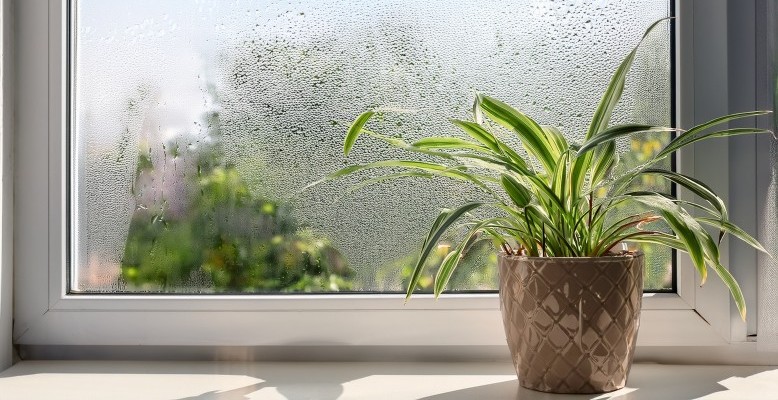
An oversized HVAC system may seem like a convenient way to cool or heat your home quickly, but it often causes more harm than good. These units tend to short-cycle, turning on and off frequently, which reduces efficiency and increases wear on key components. Short-cycling can also prevent proper dehumidification, leaving your home feeling clammy and uncomfortable during the humid summer months. In addition, oversized systems consume more energy than necessary, driving up utility bills and reducing your energy savings.
Undersizing
On the other hand, an undersized HVAC system struggles to meet your home’s heating and cooling demands. It may run constantly without achieving the desired temperature, which increases energy usage and strains the system over time. Rooms may experience uneven temperatures, and the system may fail to adequately dehumidify, leading to indoor discomfort and potential moisture issues. An undersized unit can also wear out faster, resulting in more frequent repairs and premature replacement.
How Improper Sizing Impacts Your Home
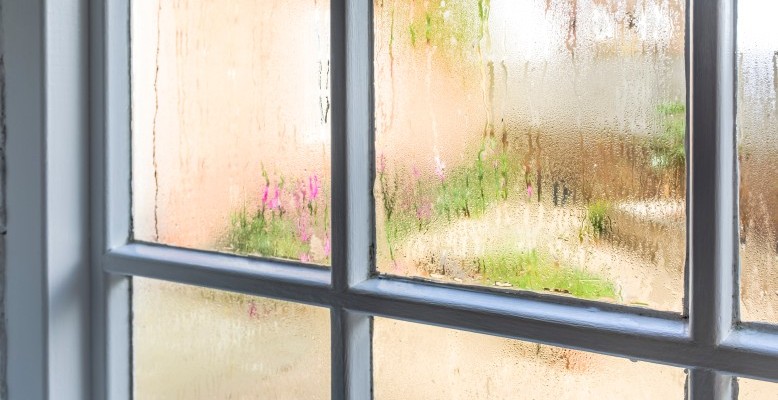
When your HVAC system is too large or too small, it directly impacts comfort and indoor air quality. An oversized system cycles on and off too quickly, which can leave rooms unevenly cooled or heated and prevent proper humidity control. On the other hand, an undersized system may run constantly yet fail to reach your desired temperature. This will leave your home feeling either too warm or too cold.
Beyond comfort concerns, improper sizing places unnecessary strain on your HVAC equipment. Components wear out faster, and frequent repairs become more likely. Energy efficiency suffers as the system works harder than it should, driving up utility costs. Thankfully, there’s a straightforward fix: proper sizing. HVAC professionals can use professional load calculations to ensure that your system is the right fit for your home. This will guarantee consistent temperatures, effective moisture control, and an overall improved quality of life for you and your loved ones.
Signs Your HVAC May Be the Wrong Size
Identifying an incorrectly sized HVAC system early can save both money and stress. That being said, it’s often easier said than done: how do you know what to look out for? Here are some common signs.
Short Cycling
What’s more frustrating than a system that turns on and off again, over and over? If your system frequently turns on and off in quick succession, it’s likely oversized. Short cycling reduces efficiency, increases wear on components, and prevents proper humidity control.
Uneven Cooling or Heating
Rooms that are consistently too hot or too cold are often a tell-tale sign of an undersized system struggling to meet demand. Conversely, oversized systems often cool or heat some areas too quickly.
Rising Energy Bills
A system that’s too small or too large can greatly increase your energy bills . Oversized units waste power by cycling too often, while undersized units run constantly, consuming more energy to maintain comfort. The more energy that’s spent, the more you have to pay each month for utilities.
Excessive Noise
Hearing strange noises in your home? If so, that’s a common sign of poor HVAC sizing. In particular, loud humming, banging, or rattling is often caused by oversized components working too aggressively or undersized parts straining to keep up with demand. With enough time and without repairs, these parts will likely completely fail.
Strange Smells
What’s worse than gross smells wafting through your home? Unusual and foul odors often indicate poor airflow or mechanical strain in your system. We find that improperly sized units often create strange smells. Persistent odors, especially burning smells, shouldn’t be ignored, and you should call for professional help if you notice them.

How Professionals Determine the Right HVAC Size
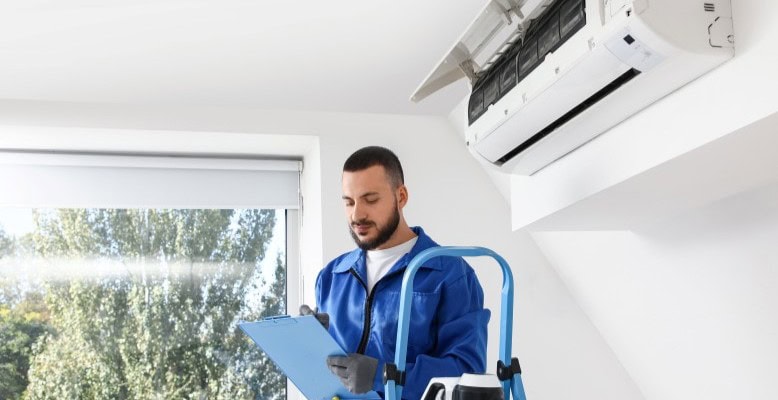
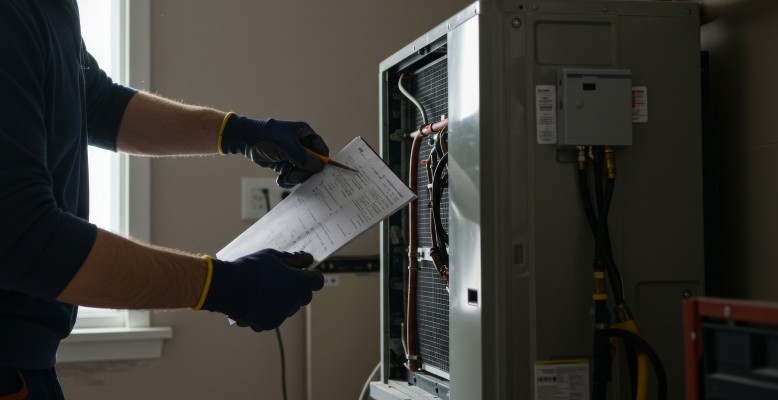
Choosing the correct HVAC size isn’t a matter of guesswork. It requires a careful assessment called a professional load calculation. Technicians conduct professional load calculations by evaluating your home’s specific heating and cooling needs. More specifically, they consider your property’s square footage, ceiling height, insulation levels, window placement, and the local climate to come up with a mathematical estimate as to what size of unit works best for you.
Load calculations also account for appliances, electronics, and occupancy levels to make sure your system can maintain consistent comfort year-round. By analyzing all these variables, technicians can recommend a system that is neither too large nor too small, optimizing efficiency and prolonging equipment life.
Relying on a professional rather than an estimate ensures your HVAC system delivers balanced airflow, proper humidity control, and predictable energy costs. Proper sizing prevents issues like short cycling, uneven temperatures, and premature wear. Homeowners can rest easy knowing that their systems are the right size for them.
How ALH Helps Homeowners with HVAC Sizing
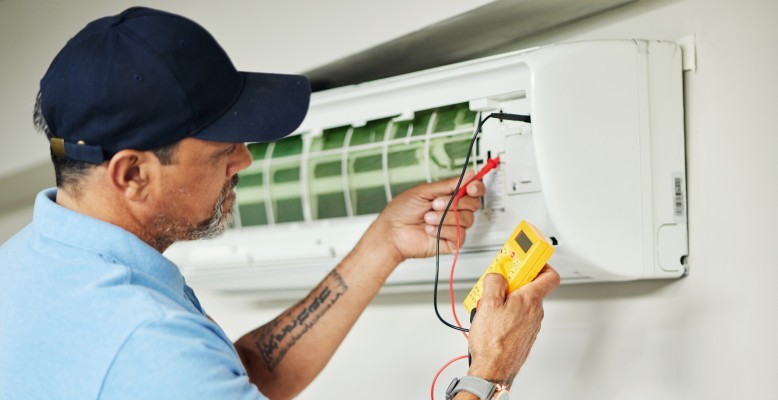
At Andy Lewis / Hobson, we guide homeowners through the entire process of determining the right HVAC system for their home. Our NATE-certified technicians begin with a thorough professional load calculation, assessing your home’s square footage, insulation, windows, and other factors that influence heating and cooling needs. We’ll make sure your system is properly sized for your specific needs.
Once the calculation is complete, we help you choose a system that matches your home’s requirements while balancing energy efficiency and long-term reliability. We also handle installation with precision, ensuring proper airflow, ductwork alignment, and system calibration. Best of all, we have seasonal special offers that help homeowners save big on top HVAC maintenance and repair projects.
Schedule Your HVAC Assessment with Andy Lewis / Hobson
Making sure your HVAC system is properly sized is crucial for comfort, efficiency, and longevity. At Andy Lewis / Hobson, our licensed, NATE-certified technicians perform professional load calculations to determine the ideal system size for your home. We consider your square footage, insulation, windows, and local climate to recommend the right solution, whether it’s an upgrade, replacement, or system fine-tuning.
From assessing airflow to evaluating energy efficiency, our team provides a comprehensive review to make sure your HVAC system meets your home’s unique needs. Don’t suffer through heating and cooling issues in silence—give us a call for help!
Contact us today to schedule your HVAC assessment!
Frequently Asked Questions (FAQs)
How Do I Know If My HVAC is Too Big?
Signs of an oversized HVAC system include short cycling, uneven temperatures, and high humidity. The system may turn on and off frequently without adequately dehumidifying or maintaining comfort, leading to increased energy bills and unnecessary wear.
What Happens If My HVAC is Too Small?
An undersized system struggles to reach desired temperatures, often runs constantly, and may fail to adequately heat or cool certain areas. This increases energy costs, reduces comfort, and can shorten the lifespan of your HVAC equipment.
Does HVAC Size Really Matter?
Yes. Proper sizing is essential for comfort, efficiency, and system longevity. A correctly sized system maintains consistent temperatures, manages humidity effectively, and uses energy efficiently. This will help you avoid premature repairs and higher utility bills.